Components of Scientific Research
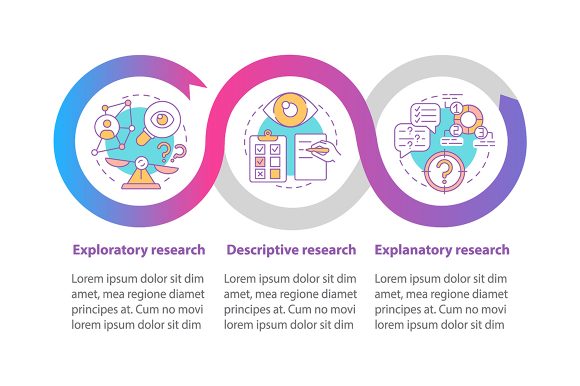
As an embroidery designer and product reviewer, I often find myself evaluating digital designs for their practicality, visual appeal, and usability in real-world projects. The Components of Scientific Research vector infographic template is one such design that caught my attention. It’s a clean, structured layout with a focus on data visualization, making it ideal for educational or professional contexts. But how does it translate to actual embroidery work? Let’s break it down.
First Impressions: A Design That Speaks to Structure and Clarity
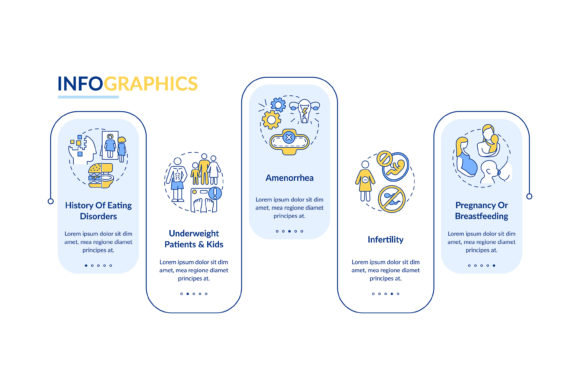
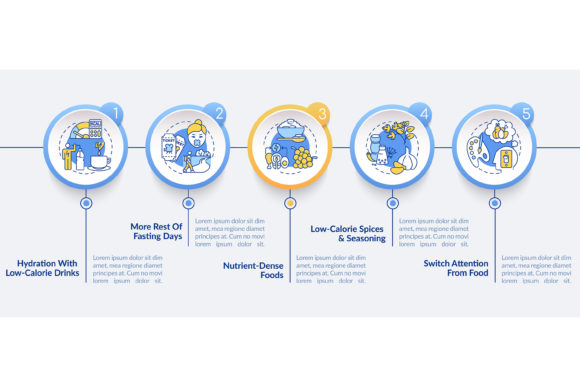
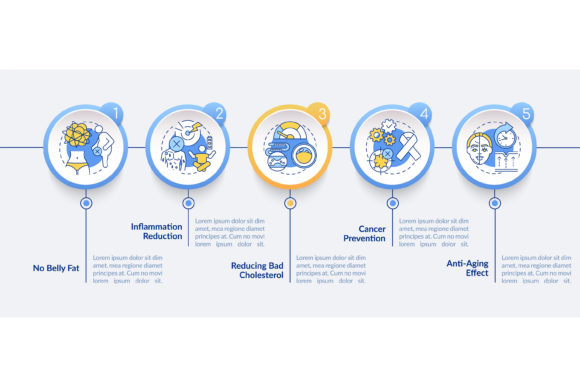
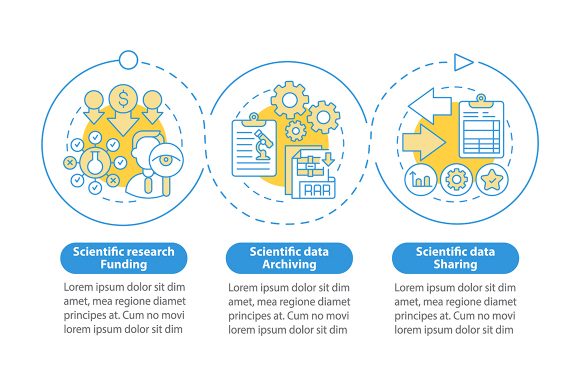
The first thing that stands out about Components of Scientific Research is its clean, linear aesthetic. The design uses a timeline format with icons and text blocks, which gives it a modern, professional feel. The use of simple shapes and clear typography makes it easy to read at a glance, which is essential for any design meant to convey information.
This kind of structure naturally lends itself to embroidered items like tote bags, sweatshirts, or baby onesies—especially those intended for educational or professional settings. The design doesn’t scream for attention, but it communicates purpose and precision, which can be a big plus for handmade products aimed at a more mature or academic audience.
Real-World Embroidery Use Cases
Imagine you’re creating a custom embroidered tote bag for a university or research institution. Components of Scientific Research could be a perfect fit. Its linear layout and step-by-step approach make it easy to scale up or down depending on the size of the garment. However, there are some considerations when translating this design into a physical embroidery project.
For example, if you're working on a sweatshirt or tote bag design, the detail level of the icons and text needs to be carefully evaluated. Some elements may require a higher stitch density to maintain clarity, especially if they’re small or intricate. This can affect how the design looks once stitched onto fabric, particularly on textured or stretchy materials.
On the other hand, for applique design or satin stitch applications, the design’s simplicity could be an advantage. The clean lines and minimal fill areas mean less risk of thread breakage or puckering, which is important for maintaining the quality of your handmade product.
Where to Be Cautious: Fabric and Stitching Challenges
While Components of Scientific Research has a lot going for it, there are certain scenarios where it might not perform as well. For instance, if you're planning to embroider it on a thin fabric or a dark fabric background, the contrast between the design and the material becomes critical. You’ll need to test different thread colors to ensure the design remains visible and legible after stitching.
Another area to watch is stitch density. If the design includes dense areas or small details, it could lead to a stiff or uneven finish, especially on stretchy fabric or layered garments. In such cases, using the right stabilizer and adjusting the stitch count can make a big difference in the final result.
For curved surfaces like caps or hoods, the design’s linear nature might not adapt as smoothly as a more fluid or rounded design would. That said, with careful placement and hoop positioning, it can still work effectively.
Impact on Visual Appeal and Customer Perception
When it comes to embroidered patches, holiday gifts, or personalized gifts, the visual appeal of a design plays a big role in customer satisfaction. Components of Scientific Research offers a professional look that can elevate the perceived value of your small shop product or Etsy listing.
Customers who receive a piece with this design may associate it with knowledge, precision, and quality—traits that can enhance brand consistency and trust. However, if the design isn’t executed properly, it could also come across as generic or unremarkable. That’s why testing the embroidery file on scrap fabric before committing to a final product is always a good idea.
Practical Designer Notes: What to Check Before Using
Before jumping into a full production run, here are a few things I recommend checking:
- Test the design on scrap fabric to see how it looks in real life.
- Check thread color contrast against different fabric backgrounds.
- Review stitch density to avoid issues with fabric distortion or stiffness.
- Confirm hoop size requirements to ensure compatibility with your machine.
- Inspect small details for clarity and readability after stitching.
- Test in black and white mockups to see how the design holds up without color.
- Compare light and dark fabric backgrounds to ensure visibility.
- Use proper stabilizer for delicate or stretchy materials.
- Verify licensing if you plan to sell finished items or digital products.
These steps can help you avoid common pitfalls and ensure that your commercial embroidery or craft business project turns out exactly as intended.
Conclusion: A Design with Purpose and Potential
Components of Scientific Research is a well-structured, visually appealing design that has clear applications in both personal and commercial embroidery projects. Its clean layout and focus on data visualization make it a strong choice for educational or professional-themed items, but it requires careful consideration when translated into physical form.
Whether you're an Etsy seller, a small shop owner, or a creative entrepreneur, this design offers a unique opportunity to add value to your digital product previews or printable mockups. With the right approach, it can become a standout feature in your handmade product lineup.