Food Culture in Religions Graphics
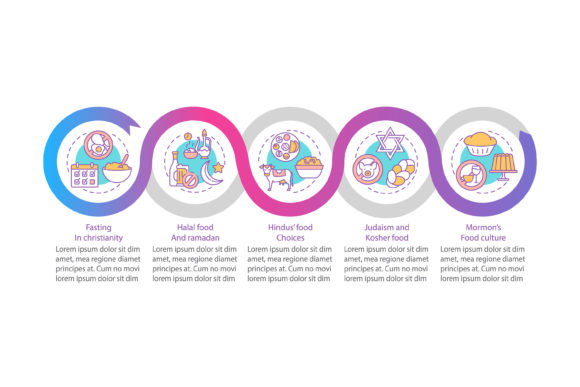
The Food Culture in Religions graphic design asset immediately captures attention with its clean, structured layout and culturally rich visual storytelling. As a blog designer and digital publisher, this infographic template offers a strong foundation for content that requires both clarity and aesthetic appeal. Its modern design and linear icons suggest a professional yet approachable editorial mood, making it ideal for educational, lifestyle, and cultural content niches.
Editorial Mood and Visual Storytelling
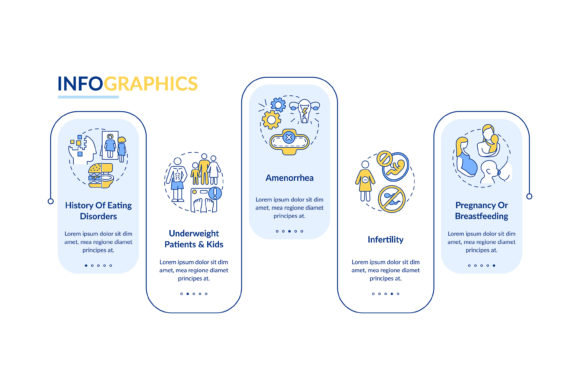
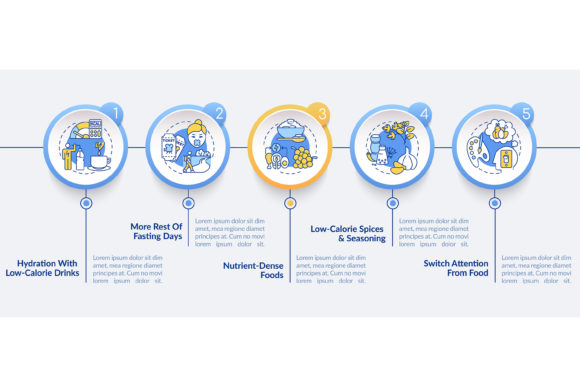
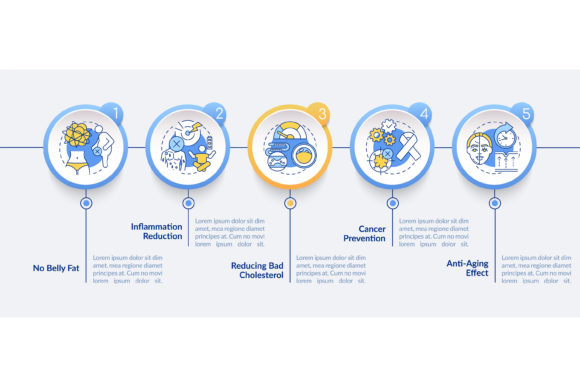
The Food Culture in Religions vector infographic template exudes an educational and informative vibe. The use of data visualization with 5 steps and a process timeline chart creates a sense of progression and logic, which is essential for content that aims to inform or teach. This makes it particularly well-suited for blogs, newsletters, and digital guides focused on religion, culture, food, and history.
The design elements feel intentional, with a balance between simplicity and detail. It’s not overly decorative, which helps maintain a professional tone, but it still has enough visual interest to engage readers. This makes it a versatile tool for publishers looking to add depth to their content without overwhelming the audience.
Real Publishing Use Cases
As a blog graphics asset, Food Culture in Religions can be used across multiple platforms. For featured images, it provides a strong visual anchor that complements headlines and drives engagement. When converted into a Pinterest pin, its clean layout and clear messaging make it highly shareable, especially for niche audiences interested in religious practices, dietary customs, or cultural traditions.
In article headers, it adds a professional touch that elevates the overall look of the content. For website banners, it serves as a subtle yet meaningful accent that reinforces the brand’s identity. In newsletter graphics, it can be used as a section divider or as part of a lead magnet to attract subscribers.
This graphic design asset also works well as a printable design or Canva template. Content creators can easily customize it to fit their branding, making it a valuable resource for digital products, downloadable printables, and educational materials. Whether used as a worksheet, eBook cover, or social media post, it maintains a consistent visual language that supports the overall message.
Supporting Content Performance
One of the key benefits of Food Culture in Religions is its ability to enhance visual hierarchy. The clear structure of the infographic ensures that information is easy to digest, which improves reader trust and engagement. A well-organized layout also increases the likelihood of higher click-through rates, especially when used as a thumbnail or social media preview.
For content marketing and affiliate marketing efforts, this design asset helps create a more polished and professional appearance. It strengthens brand identity by providing a cohesive visual style that aligns with the content’s theme. This consistency is crucial for building recognition and credibility with an audience.
When used in digital guides or lead magnets, it adds value by presenting complex ideas in an accessible format. This not only enhances the user experience but also encourages sharing and referral, which are important for content performance and SEO.
Where Food Culture in Religions Works Best
Food Culture in Religions excels as a hero image or article thumbnail. Its clean design ensures it looks great on both desktop and mobile devices, making it a reliable choice for responsive web design. As a Pinterest pin, it stands out among other content due to its structured layout and clear visual messaging.
It also functions well as a blog graphic or editorial accent. When placed beside a headline or within a section of a post, it draws attention and reinforces the topic. For content upgrades, such as downloadable resources or worksheets, it provides a professional-looking header that enhances the perceived value of the material.
As a newsletter header or social media preview, it sets the tone for the content and encourages clicks. Its workflow layout with linear icons makes it ideal for explaining processes or steps, which is useful for tutorials, guides, and how-to content.
Where to Use with Caution
While Food Culture in Religions is visually appealing, it may not be the best choice for small mobile thumbnails. The level of detail could get lost on smaller screens, making it less effective as a quick visual cue. Similarly, it may not work well in text-heavy blog images where the focus should be on the written content rather than the graphic.
On low-contrast backgrounds, the design might become difficult to read. It’s important to test it against different color schemes to ensure visibility. In busy layouts or serious professional niches, the infographic may appear too casual or decorative, which could clash with the intended tone.
For corporate content or websites that prioritize minimalism, this design may be too elaborate. It’s always wise to review the asset in the context of the overall design system before integrating it into a project.
Publisher Notes and Practical Tips
Before using Food Culture in Religions, test it on both desktop and mobile screens to ensure it scales well. Check how it looks as a thumbnail and preview it within a real blog layout to see how it interacts with other elements. Test it with headline text to ensure readability and visual harmony.
Review the file size for web performance and compress images properly to avoid slowing down page load times. Confirm commercial licensing before using it on monetized websites, affiliate pages, or paid content products. Always check contrast and readability, and try it in black and white to see how it holds up without color.
Place it beside different font styles—serif, sans serif, script, handwritten, and display—to see how it adapts to various typographic needs. This will help you determine the best way to integrate it into your content strategy.
As a digital download, Food Culture in Religions offers a powerful tool for creative design, editorial design, and small business branding. Whether used in a blog, newsletter, or social media campaign, it contributes to a more professional and engaging content experience. With careful consideration and proper implementation, it can elevate your content marketing efforts and support your overall digital presence.