Media Literacy Features Infographic
First Impressions: A Clean, Professional Look
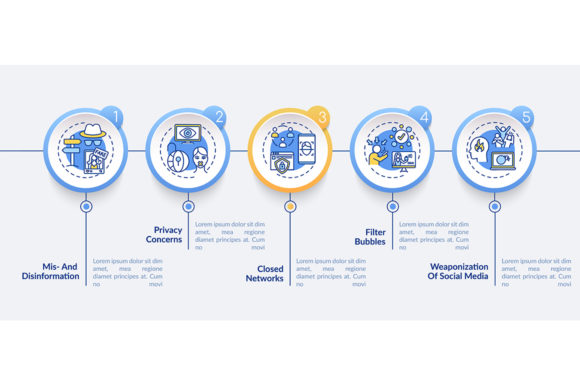
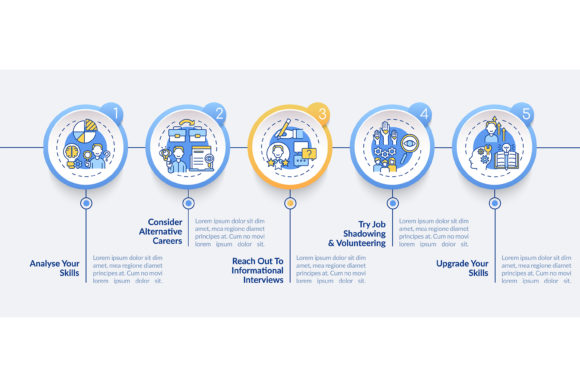
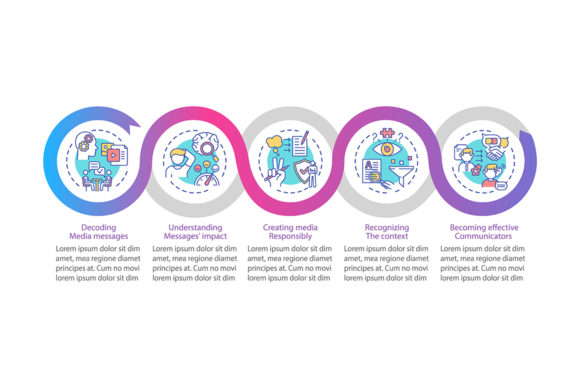
From the moment I opened the Media Literacy Features Infographic, it felt like a well-organized blueprint for visual storytelling. The design is clean, with a modern aesthetic that leans into simplicity and clarity. The layout is structured around a process timeline chart and workflow layout with linear icons, making it ideal for conveying complex information in an easy-to-digest format.
The color palette is neutral, with a focus on contrast between text and background. This makes it versatile for different fabric types and embroidery applications. The overall mood is professional, which aligns well with its purpose as an infographic template for educational or informational use.
Real-Life Use Case: Custom Embroidered Tote Bag
I imagined using this design on a custom embroidered tote bag for a client who runs a small workshop on media literacy. The design’s structure would work well on a large hoop, allowing for clear stitching of the timeline and data visualization elements. The linear icons add a subtle decorative touch without overwhelming the overall look.
When considering how the finished product would appear, the design’s balance of detail and simplicity makes it suitable for both personal and commercial use. It could be used as a statement piece on a tote bag or as part of a larger branding strategy for a handmade shop or Etsy listing.
Embroidery Performance: What to Expect
As an experienced designer, I’ve seen how certain designs translate from digital to fabric. The Media Literacy Features Infographic is well-suited for machine embroidery design, especially when working with flat, smooth fabrics like cotton or canvas. The stitch density is moderate, which helps maintain clarity without risking thread breakage or puckering.
For custom apparel like sweatshirts or t-shirts, the design would hold up well. However, I’d recommend testing it on scrap fabric first to ensure the thread colors contrast properly with the garment’s background. For dark fabrics, a lighter thread color would be necessary to make the design stand out.
Where to Be Cautious
While the design is versatile, there are some limitations. On small hoop sizes, certain details may become too cramped, leading to less defined stitching. Thin or stretchy fabrics could also pose challenges, as the design might not sit flat or could pucker during stitching.
Textured fabrics, such as denim or linen, might require additional stabilizer to keep the design from shifting. For curved surfaces like caps or baby onesies, the design’s straight lines and corners could be difficult to stitch accurately. Tiny lettering or dense stitch areas may need careful attention to avoid distortion.
Visual Appeal and Customer Perception
The Media Literacy Features Infographic has a strong visual appeal that can elevate the perceived value of any handmade product. When stitched onto a tote bag or apron, it adds a professional touch that customers recognize as high-quality craftsmanship.
For small business owners or Etsy sellers, this design can serve as a valuable asset in creating consistent branding. It’s also a great tool for personalized gifts, where the message of media literacy can resonate with recipients looking for meaningful, thoughtful items.
Practical Designer Notes
Before committing to a project, I always recommend testing the Media Literacy Features Infographic on scrap fabric. This helps identify any issues with stitch density, thread color contrast, or stabilizer needs. It’s also wise to review the design in black and white mockups to see how it looks on different backgrounds.
For commercial embroidery projects, confirm that the licensing allows for resale or redistribution of the finished product. If you’re selling digital embroidery files, ensure that the design is compatible with your machine and that all technical specifications meet your standards.
Best Fit for Embroidery Projects
This infographic template works best on flat, smooth surfaces where the design’s details can be clearly seen. It’s ideal for tote bags, sweatshirts, and other custom apparel where the message is both functional and decorative. It also fits well into holiday embroidery projects, such as personalized gift tags or festive kitchen towels.
For craft businesses, the Media Literacy Features Infographic can be used as a printable mockup or digital product preview, helping clients visualize the final outcome before placing an order. Its clean layout and structured design make it a reliable choice for both personal and commercial use.
Final Thoughts: A Useful Tool for Designers
Overall, the Media Literacy Features Infographic is a solid choice for embroidery designers looking for a professional, adaptable design. It offers a balance of form and function, making it suitable for a wide range of projects. Whether you're creating a custom embroidered patch, a personalized gift, or a boutique product, this design can enhance the quality and appeal of your work.
As with any machine embroidery design, proper preparation and testing are key. But once those steps are complete, the Media Literacy Features Infographic can be a valuable addition to your design assets, helping you deliver polished, professional results to your clients and customers.