Microplastics Effects Vector Infographic Graphics
As a brand designer, I often look for graphic design assets that can elevate a small business's visual identity without overwhelming it. The Microplastics Effects Vector Infographic fits this need perfectly. Its clean, data-driven style offers a modern and educational tone that aligns well with eco-conscious brands, local businesses, and handmade sellers looking to communicate important messages through their packaging and promotional materials.
First Impressions: A Professional Yet Approachable Visual Language
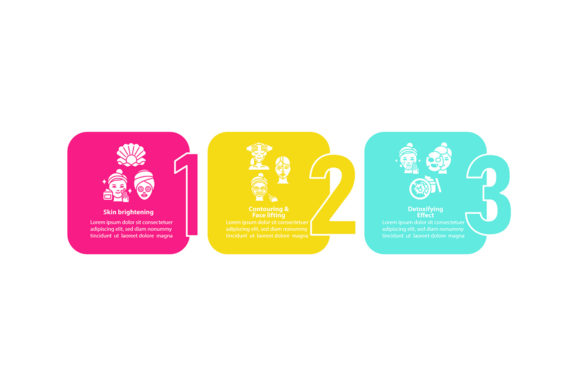
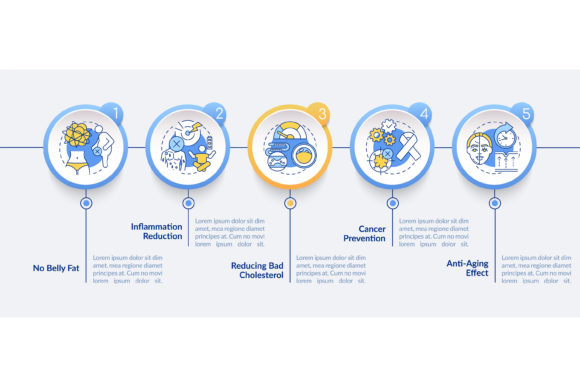
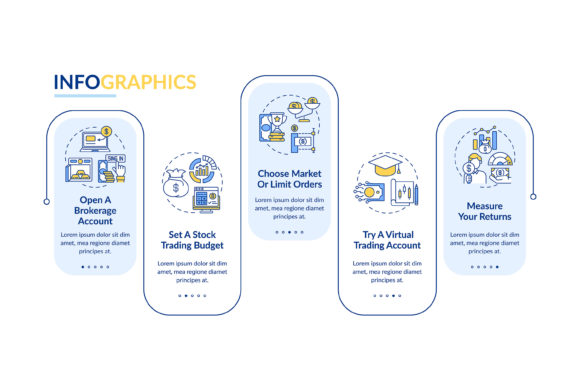
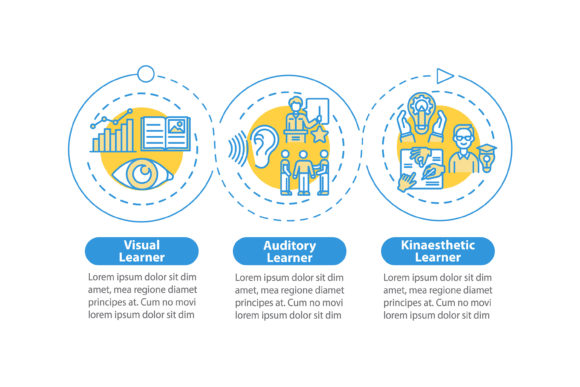
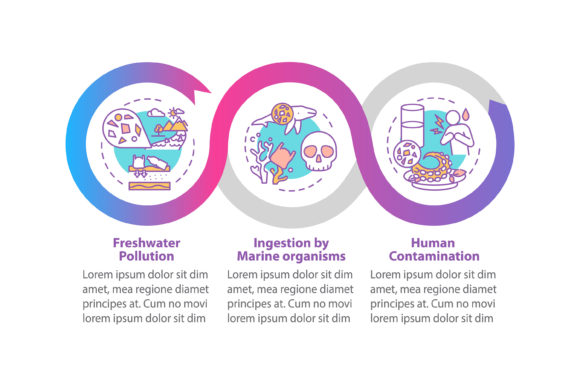
The Microplastics Effects Vector Infographic immediately conveys a sense of clarity and professionalism. The use of linear icons, a process timeline chart, and a workflow layout suggests a structured approach to information delivery. This makes it ideal for brands that want to appear knowledgeable and trustworthy, especially in industries like skincare, food, or home goods where sustainability and transparency matter.
The design feels both modern and slightly academic, which could work well for a boutique store or a seasonal product campaign. It’s not overly playful or decorative, but it has enough visual interest to stand out on product labels or social media graphics without distracting from the core message.
Real-World Applications for Local Business Design
This graphic design asset is versatile enough to be used in multiple areas of a small business’s branding. For example, a coffee shop might incorporate the infographic into its menu graphics or as part of a seasonal promotion highlighting sustainable practices. A handmade soap business could use it on product labels or in printable inserts to educate customers about environmental impact.
It also works well in packaging design, where it can serve as an accent or a central visual element. When used on hang tags or thank-you cards, it adds a touch of professionalism and reinforces the brand’s commitment to awareness and education. In social media graphics, it can help break up text-heavy posts and provide a visually engaging way to share information.
Supporting Business Presentation and Brand Identity
One of the key strengths of the Microplastics Effects Vector Infographic is how it enhances a brand’s visual hierarchy. Its clear structure and consistent iconography make it easy to integrate into a larger design system. This helps create a more cohesive brand identity, especially when paired with other design assets like logos, fonts, and color palettes.
For small business branding, this infographic can strengthen the first impression a customer has of a product or service. Whether it’s on a product label or a promotional banner, it adds a layer of credibility that can improve customer trust and recognition. It also supports better shelf appeal by making the product stand out in a crowded marketplace.
Where It Works Best: Packaging, Promotional Materials, and Social Media
The Microplastics Effects Vector Infographic shines when used as a hero graphic or a decorative brand element. It’s particularly effective on product mockups, where it can be scaled to fit different sizes and formats. For a floral boutique or a candle brand, it could serve as a background element on packaging or as a focal point in a seasonal campaign.
It also works well in digital spaces such as website banners or social media campaign graphics. As a Canva template or a clipart-style illustration, it allows designers to quickly add professional-looking visuals without needing advanced design skills. This makes it a valuable tool for creative entrepreneurs and marketers who want to maintain a polished aesthetic across all platforms.
Where to Use It Carefully: Avoiding Overdesign and Clutter
While the Microplastics Effects Vector Infographic is visually appealing, it may not be suitable for every design scenario. In formal corporate branding, its educational tone might clash with a more minimalist or luxury-focused aesthetic. Similarly, on very small labels or in layouts with a lot of text, it could become distracting rather than informative.
It should also be used cautiously in areas where legal information or ingredient lists are required. The design elements might compete with essential text, reducing readability. Additionally, low-contrast backgrounds could make the infographic less visible, so testing it in different environments is crucial before finalizing any design.
Practical Designer Notes: Testing and Integration Tips
Before using the Microplastics Effects Vector Infographic in a real project, I recommend testing it on actual packaging mockups. Check how it looks in black and white, as some print processes may not reproduce colors accurately. Preview it on small labels to ensure it remains legible and doesn’t lose detail at reduced sizes.
When integrating it into a brand’s visual system, test it alongside different font styles—serif, sans serif, script, and display fonts—to see how they interact. Confirm that the file format (SVG or PNG) is editable and compatible with your design software. Also, verify the commercial license to ensure it can be used for client work or physical product sales without legal issues.
Finally, compare it with competitor packaging to ensure it stands out while still fitting within your brand’s overall style. Review the print quality and inspect the PNG transparency if you plan to use it on transparent backgrounds. These steps will help you get the most out of this graphic design asset while maintaining a professional and consistent brand image.
Conclusion: A Valuable Asset for Eco-Conscious Brands
The Microplastics Effects Vector Infographic is more than just a design asset—it’s a tool that can help small businesses communicate complex ideas clearly and professionally. Whether you’re working on product labels, packaging design, or social media graphics, it offers a structured and visually appealing way to present information that resonates with today’s conscious consumers.
By thoughtfully integrating this infographic into your brand’s visual strategy, you can enhance customer engagement, build trust, and create a more memorable experience for your audience. For any local business looking to elevate their design game, this asset is worth considering as part of your creative toolkit.