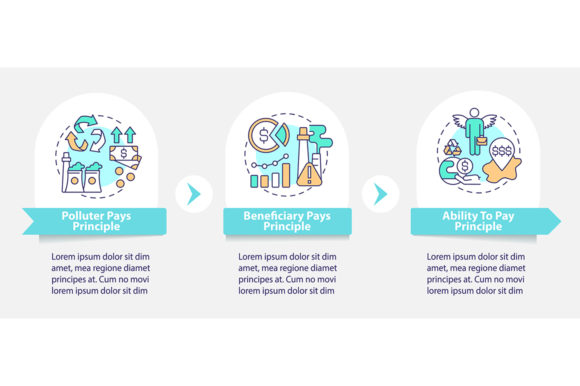
Polluter Pays Principle Infographic
As an embroidery designer with years of experience, I’ve seen my fair share of digital design templates. Some are great for quick use, while others require a lot of tweaking to fit specific projects. The Polluter Pays Principle Infographic falls into the latter category—practical, informative, and visually engaging, but with some considerations for real-world application.
First Impressions: A Clean, Professional Layout
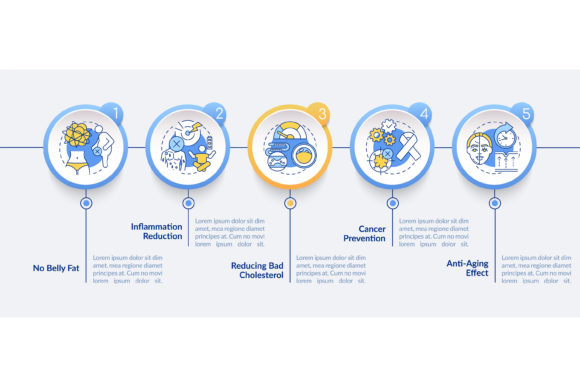
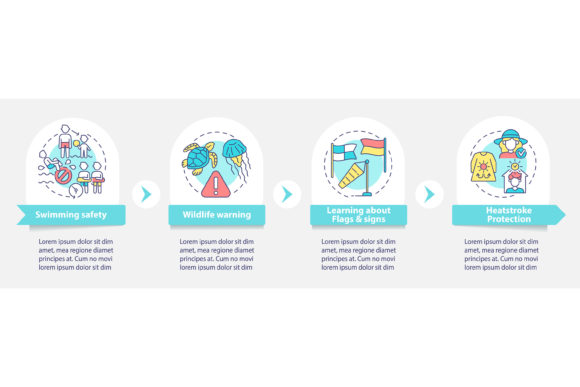
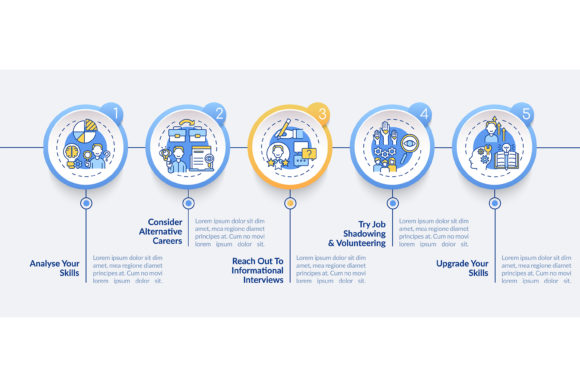
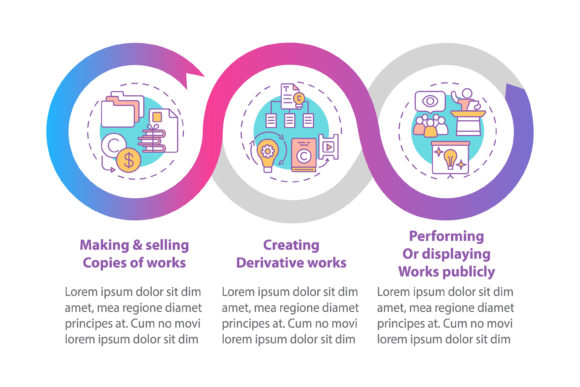
The Polluter Pays Principle Infographic immediately catches the eye with its clean, structured layout. It’s designed as a vector template, which is ideal for scaling without losing quality. The three-step process is clearly laid out, making it easy to follow. The linear icons and timeline chart add a modern, data-driven feel that aligns well with business or educational contexts.
The visual personality of the design is straightforward and professional. It doesn’t have any flashy elements, which makes it versatile for different types of embroidery projects. However, this simplicity also means it might not stand out in a crowded marketplace unless paired with the right fabric and thread choices.
Real-World Embroidery Use Cases
When considering where to apply this design, the Polluter Pays Principle Infographic works best on larger, flat surfaces. Think custom apparel like sweatshirts, tote bags, or aprons. It could also be a great addition to baby clothes or nursery decor, especially if the message resonates with eco-conscious parents.
For small business owners and Etsy sellers, this design could be a strong asset in a line of handmade products or personalized gifts. It’s particularly useful for those selling items related to sustainability, environmental awareness, or educational themes. The infographic’s structure makes it easy to translate into a printed mockup or a digital product preview.
However, the design’s detail level requires attention when translating it into a machine embroidery design. If you’re planning to use it on a patch or a small hoop, you may need to simplify some elements to ensure clarity and stitchability.
Where to Be Cautious
One thing to note is that the Polluter Pays Principle Infographic may not work well on small hoop sizes. If you’re planning to use it on a cap or a hat, you’ll need to adjust the design to fit within the limited space. This could mean reducing text size or simplifying the layout, which might affect readability.
Textured fabrics or thin, stretchy materials can also pose challenges. The design’s linear icons and detailed elements may not show up clearly on these surfaces. Similarly, dark fabrics may require a different thread color to ensure visibility. Always test the design on scrap fabric before committing to a finished product.
Dense stitch areas or intricate details can lead to puckering or distortion, especially on delicate materials. If you're using this as an applique design or a satin stitch piece, make sure to balance the stitch density and use proper stabilizer to maintain the integrity of the design.
Impact on Visual Appeal and Customer Perception
The Polluter Pays Principle Infographic has a strong visual appeal when executed properly. It adds a professional touch to any embroidered item, especially when used on high-quality fabrics. Customers often appreciate the effort put into creating a clean, informative design, which can increase the perceived value of your handmade product or custom apparel.
From a branding perspective, this design can reinforce your commitment to sustainability or education, depending on your niche. It also enhances the giftability of your products, as it can serve as a meaningful and thoughtful addition to holiday gifts, wedding presents, or personalized items.
However, if the design isn’t executed well—whether due to poor stitching, incorrect thread colors, or improper placement—it can detract from the overall professionalism of your work. That’s why testing and preparation are key steps before finalizing any project.
Practical Designer Notes
Before using the Polluter Pays Principle Infographic in your embroidery project, always start with a test run. Use scrap fabric to check how the design looks in different lighting conditions and on various fabric types. Pay close attention to the stitch density and ensure that the design doesn’t become too dense or too sparse.
Review the thread color contrast carefully. On light fabrics, a darker thread will stand out more, while on dark fabrics, a lighter thread may be necessary. Also, make sure the hoop size you choose is appropriate for the design’s dimensions. If the design is too large for your hoop, consider splitting it into sections or adjusting the scale.
Inspecting small details is crucial. Tiny lettering or intricate icons may not show up well if the design isn’t optimized for embroidery. Test it in black and white mockups to see how it translates without color. Compare it against both light and dark fabric backgrounds to ensure visibility and clarity.
Lastly, confirm whether the design is suitable for both personal and commercial use. Check the licensing terms to make sure you’re allowed to sell finished items or digital products featuring the Polluter Pays Principle Infographic. This is especially important for Etsy sellers and small shop owners who rely on their digital assets for income.
Final Thoughts: A Useful Tool for the Right Project
The Polluter Pays Principle Infographic is a solid choice for designers looking to add a professional, informative element to their embroidery projects. It’s well-suited for custom apparel, educational items, and eco-themed merchandise. However, it requires careful consideration when adapting it for different fabrics, hoop sizes, and stitch types.
If you’re an embroidery designer, craft business owner, or digital product seller, this design offers a good foundation for creating meaningful, visually appealing items. Just remember to test, adjust, and tailor it to your specific needs before presenting it to customers or clients.