Top Environmental Challenges Graphics
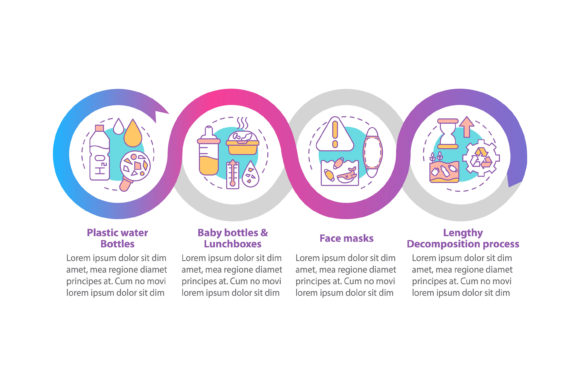
As a brand designer and content marketer, I often look for design assets that not only catch the eye but also support clear communication. The Top Environmental Challenges vector infographic template is one such asset that offers a strong visual foundation for marketing and branding projects. With its clean layout, data visualization elements, and process timeline chart, it’s a versatile tool for creating engaging visuals across multiple platforms.
The First Impression
When first encountering the Top Environmental Challenges design, the mood is professional yet approachable. The use of linear icons and a structured workflow layout creates a sense of clarity and organization. This makes it ideal for campaigns targeting eco-conscious audiences or businesses looking to communicate complex information in a simple, digestible format.
The emotional tone is informative and forward-thinking, which aligns well with lifestyle content, event promotions, and editorial graphics. It doesn’t feel overly casual, nor does it come off as too formal—making it a good fit for small business branding and digital product visuals.
Real-World Marketing Applications
This graphic design asset can be integrated into various aspects of a marketing strategy. For instance, if a small business is launching a new product focused on sustainability, the Top Environmental Challenges infographic could serve as a compelling visual element in social media graphics, blog posts, or email banners. Its structure allows for easy customization while maintaining visual consistency.
In packaging design, the asset could act as an accent or supporting element, reinforcing the brand’s commitment to environmental responsibility. Similarly, in product labels or digital ads, it can help convey key messages without overwhelming the viewer.
For content creators, the Top Environmental Challenges vector infographic template is a valuable addition to a design bundle. Whether used in Canva templates, Pinterest pins, or Instagram posts, it provides a cohesive look that enhances the overall aesthetic of a campaign.
Supporting Marketing Goals
One of the strongest aspects of this design is its ability to improve visual hierarchy. The 5-step data visualization and linear icons create a natural flow, guiding the audience through the content without confusion. This helps build stronger first impressions and ensures that the message is communicated effectively.
When used in brand identity materials, the asset supports consistent branding by offering a recognizable visual style. It also contributes to better audience trust, as a professional appearance reinforces credibility. For small business branding, this kind of design asset can make a big difference in how the brand is perceived online and offline.
The Top Environmental Challenges design also fosters emotional connection. By presenting environmental challenges in a structured and visually appealing way, it encourages engagement and awareness—key factors in successful content marketing and social media strategies.
Best Use Cases
This asset shines in hero graphics, campaign headers, and product launch visuals where a strong visual statement is needed. It works well as a branded template for content kits or promotional banners, especially when paired with other design elements like illustrations or clipart.
For editorial layouts or digital ads, the Top Environmental Challenges template offers a modern design that can elevate the overall look of a publication or ad campaign. It also serves as a great decorative brand element for merchandise, stickers, or event flyers.
Where to Use with Caution
While the design is highly effective in many scenarios, it may not be suitable for all branding contexts. In formal corporate environments, the asset might feel too informal or lack the sophistication required for high-end commercial design. Similarly, in dense information layouts or small mobile graphics, the details could become difficult to read.
If the brand has a minimalistic or low-contrast aesthetic, the Top Environmental Challenges design might overpower the existing visual language. Likewise, in text-heavy ads or designs where the main message needs to dominate, the infographic could compete for attention rather than support it.
Designer Notes for Practical Use
Before finalizing any campaign, it’s essential to test the Top Environmental Challenges design against the brand’s color palette. Ensuring that the colors align with the brand’s identity will maintain visual harmony. Also, checking black and white usage is important for print or monochrome applications.
Place the design inside real campaign mockups to see how it interacts with other elements. Previewing it on mobile screens helps confirm that it remains readable at smaller sizes. Comparing it against competitor visuals can highlight unique strengths and potential areas for improvement.
Testing the design with different font styles—serif, sans serif, script, or display fonts—will show how it adapts to various typographic needs. Reviewing spacing and balance ensures that the layout feels intentional and not cluttered.
Finally, always confirm the commercial license before using the design in paid campaigns, client work, or business branding. This guarantees that the asset can be used without legal issues, especially in a creative marketplace where compliance is critical.
Conclusion
The Top Environmental Challenges vector infographic template is a powerful graphic design asset that can enhance a wide range of marketing and branding efforts. Whether used in social media graphics, editorial design, or digital ads, it brings clarity, professionalism, and a strong visual identity to any project.
For content marketers, small business owners, and creative entrepreneurs, this design offers a practical solution for creating engaging, consistent, and visually appealing materials. With careful consideration of its limitations and proper integration into the brand’s visual language, it can become a key component of a successful marketing strategy.