Avoiding Microplastics Tips Infographic Graphics
As a graphic designer with years of experience in branding, marketing visuals, and digital design assets, I’ve come across countless infographics. But the Avoiding Microplastics Tips Infographic stands out for its clean, modern approach to data visualization. This vector infographic template is more than just a visual aid—it’s a creative design tool that can elevate a wide range of projects, from handmade businesses to print-on-demand products.
First Impressions: A Clean, Modern Visual Language
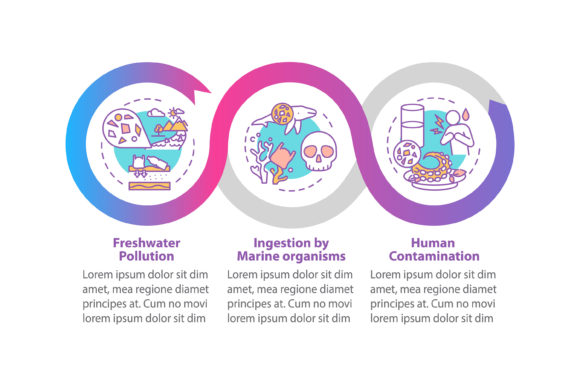
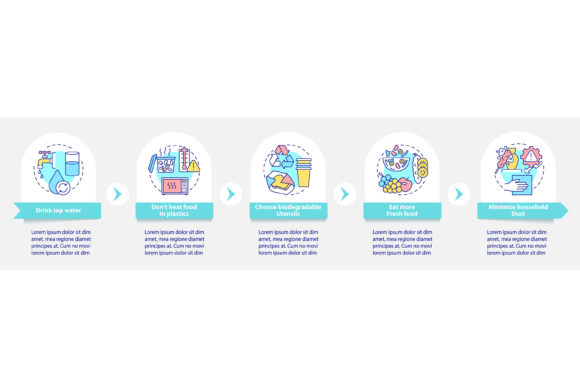
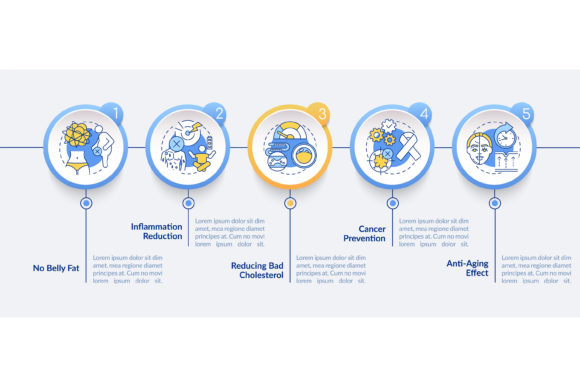
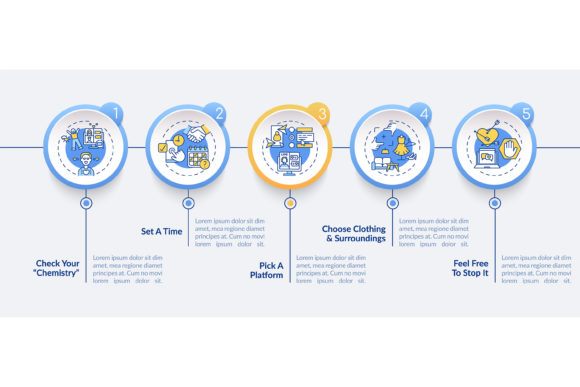
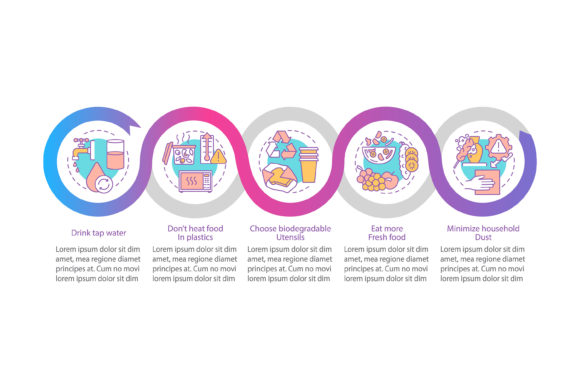
The Avoiding Microplastics Tips Infographic immediately conveys a sense of clarity and purpose. The linear icons and process timeline chart suggest a structured, easy-to-follow narrative. Its design style feels contemporary, making it ideal for small business branding, eco-conscious campaigns, or educational content. The 5-step data visualization is straightforward, yet visually engaging, which makes it perfect for social media graphics or editorial design.
This infographic has a subtle, professional tone that doesn’t overwhelm the viewer. It’s the kind of asset that can seamlessly integrate into a brand identity without clashing with other elements. Whether used as a standalone graphic or part of a larger campaign, it maintains a cohesive aesthetic that aligns with modern design trends.
Real-World Applications: From Packaging to Social Media
In a real client project, the Avoiding Microplastics Tips Infographic could be a valuable addition to various design elements. For example, a handmade business launching an eco-friendly product line might use this infographic on packaging design, t-shirt design, or tote bags. Its clean layout makes it easy to scale up or down, whether it’s part of a product mockup or a digital ad.
For a small business owner looking to create a seasonal campaign, this infographic could serve as a hero graphic on a website or as a supporting element in a blog post. It also works well as a Canva template or Cricut project, allowing for quick customization while maintaining a polished look. The vector format ensures that it remains sharp at any size, which is essential for both digital and print applications.
When used in a design bundle, the Avoiding Microplastics Tips Infographic adds value by providing a ready-made solution for environmental messaging. It’s especially useful for brands focused on sustainability, where clear communication is key to building trust with the audience.
Where It Thrives: Large Layouts and Themed Campaigns
This infographic excels in large layout areas such as posters, banners, and wall art. Its workflow layout with linear icons makes it a strong candidate for editorial design or campaign visuals. When placed on a product mockup, it enhances the visual mood without overpowering the main message.
It also fits well within themed collections or seasonal campaigns. For instance, a local event promoting eco-friendly practices could use this infographic as a decorative accent or a printable design. Its versatility allows it to adapt to different contexts while maintaining a consistent visual language.
Where to Use with Caution: Minimalist and Corporate Projects
While the Avoiding Microplastics Tips Infographic is highly effective in many scenarios, it may not be the best fit for minimalist branding or corporate materials. In these cases, its structured layout could feel too busy or inconsistent with the overall design direction.
Additionally, when used in low-contrast designs or crowded layouts, the infographic’s readability may suffer. It’s important to test it on various backgrounds and sizes to ensure it remains legible and visually appealing. For projects requiring very clean visual hierarchy, this infographic may need to be simplified or paired with other elements to maintain balance.
Impact on Branding and Audience Engagement
The Avoiding Microplastics Tips Infographic contributes to a stronger visual hierarchy and improved brand consistency. Its clear structure helps guide the viewer through information, making it easier for audiences to engage with the content. This is especially beneficial for digital ads, Pinterest pins, or Instagram posts where attention spans are short.
From a design perspective, this infographic supports emotional appeal and trust-building. It reinforces a brand’s commitment to sustainability and environmental responsibility, which resonates with eco-conscious consumers. When used effectively, it can enhance the professionalism of a project and make the final result feel more polished and cohesive.
Practical Designer Notes: What to Check Before Using
Before using the Avoiding Microplastics Tips Infographic for a client project, there are several practical considerations to keep in mind. First, test it in black and white to ensure it remains readable and impactful without color. Check how it looks on light and dark backgrounds, and preview it at both small and large sizes to confirm its scalability.
Place it on real mockups to see how it interacts with other design elements. If it’s intended for print, review the file formats and test print quality to avoid unexpected results. If the design includes PNG transparency, inspect it carefully to ensure it meets your needs. For SVG or vector files, verify that they’re editable and compatible with your design software.
Compare it with different font styles—serif, sans serif, script, or display fonts—to find the best match for your project. Lastly, always confirm the commercial license to ensure it’s suitable for your client’s use case, especially if it’s being sold as an Etsy product or used in a print-on-demand setup.
Conclusion: A Versatile Asset for Creative Designers
The Avoiding Microplastics Tips Infographic is a solid graphic design asset that offers value across multiple platforms. Whether you’re working on a handmade business, a digital product, or a commercial design, this infographic provides a professional and engaging way to communicate important information. Its clean layout, structured approach, and flexibility make it a useful addition to any designer’s toolkit.
By understanding its strengths and limitations, designers can confidently incorporate this asset into their projects, ensuring it enhances the overall visual mood and supports the brand’s message. With proper testing and thoughtful application, the Avoiding Microplastics Tips Infographic can become a powerful tool in your creative design arsenal.